
Healthy Living
Can Fiber Help Lower Colorectal Cancer Risk
Fiber does more than support healthy digestion, it may also play a role in colorectal health. Certain types of fiber absorb water and add bulk to stool, helping waste move through the colon more easily and supporting regular bowel movements. These benefits can help prevent constipation and promote healthy colon function. Learn how adding more fiber to your diet may support colorectal health and why routine colorectal cancer screening is an important part of prevention.
What Is Dietary Fiber?
Dietary fiber is a type of carbohydrate that the body cannot digest. It passes through the digestive system without being broken down and is naturally found in plant foods such as whole grains, fruits, vegetables, legumes and nuts.
How Fiber Supports Colorectal Health
Colorectal cancer is cancer that develops in the colon or rectum. Research suggests that fiber-rich plant foods are protective against colorectal cancer. As fiber passes through the digestive system, it can help dilute substances that may damage the colon and move them out of the body more quickly. Fiber may also help protect the lining of the colon and support the production of substances that may help defend against cancer.
Tips for Increasing Fiber Intake
Small changes can make it easier to add more fiber to your daily meals. Try these seven simple swaps and additions:
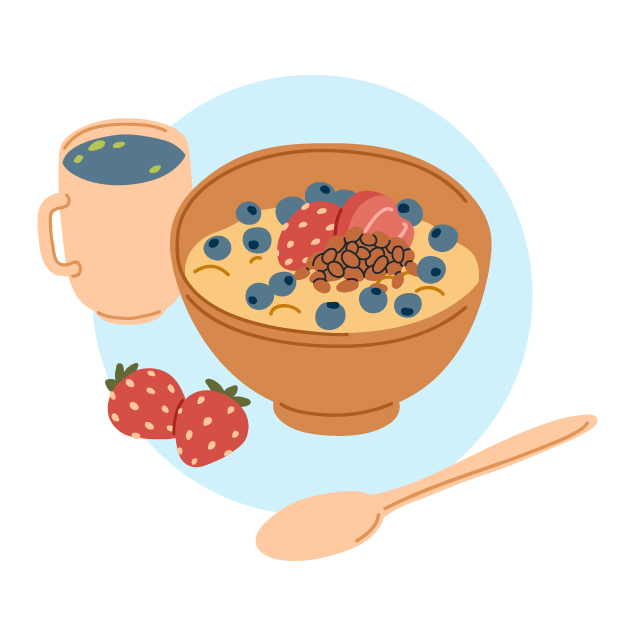
Bulk up your breakfast.
Choose a high-fiber cereal with 5 or more grams of fiber per serving or enjoy oatmeal topped with nuts and fruit. When choosing cereal, look for a whole grain as the first ingredient or 20% or more of the Daily Value for fiber on the Nutrition Facts label.
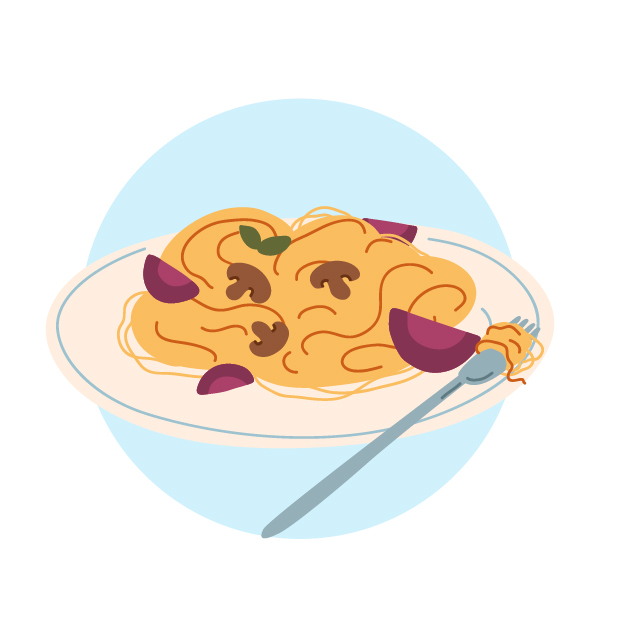
Choose whole grains.
Replace white rice, bread and pasta with minimally processed whole grains. Try brown or wild rice, quinoa, barley, bulgur, whole wheat pasta, millet, amaranth or farro. For bread, look for whole-grain flour as the first ingredient.
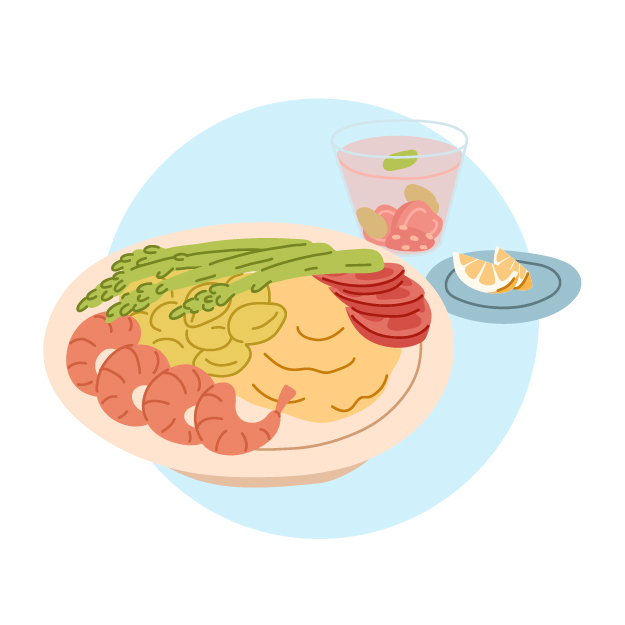
Add more vegetables.
Keep frozen mixed vegetables, spinach or broccoli on hand for quick additions to pasta sauces, rice dishes, casseroles, soups and stir-fries. Starting dinner with a tossed salad can also add more vegetables to your meal.
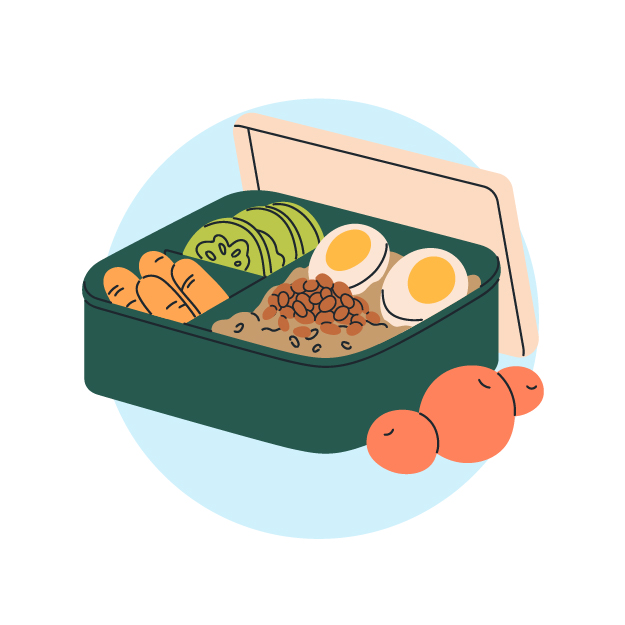
Don't forget legumes.
Add peas, beans and lentils to your meals. Try pinto, kidney, lima, navy or garbanzo beans. You can also substitute beans or other legumes for meat in chili and soups two to three times a week.
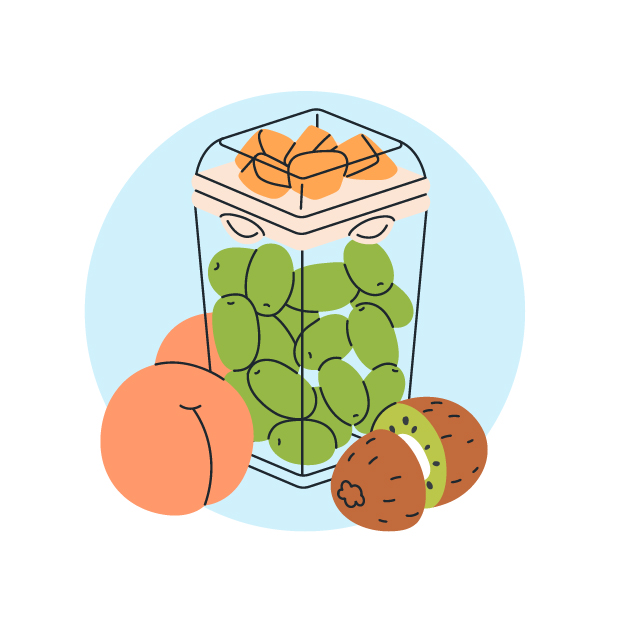
Snack on fruit, nuts and seeds.
Choose a whole apple, pear or banana instead of fruit juice. For crunchy snacks, try almonds, sunflower seeds, pistachios, raw vegetables with hummus or low-fat popcorn instead of chips and crackers.

Add fiber to foods you already eat.
Try adding 1–2 tablespoons of almonds, ground flaxseeds or chia seeds to cereal. You can also mix diced vegetables into casseroles, stir-fries and soups.
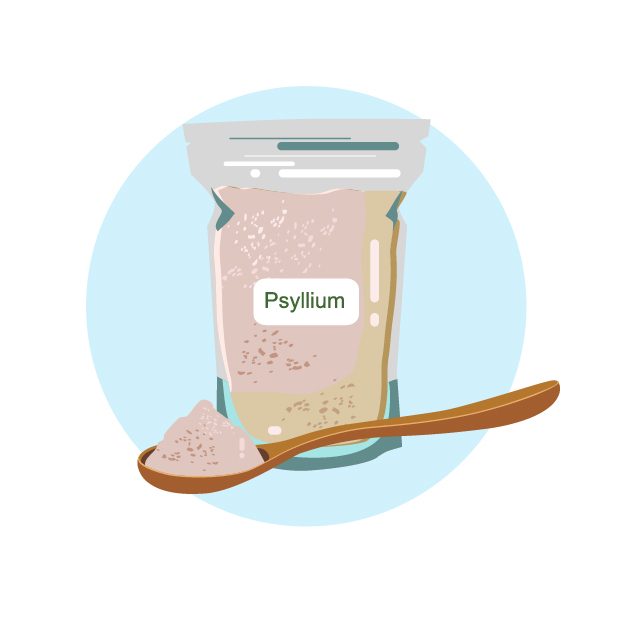
Consider a fiber supplement when needed.
If getting enough fiber from food is difficult, fiber supplements such as psyllium or methylcellulose powders or wafers can help bulk and soften stool, making it easier to pass. However, supplements are not intended to completely replace high-fiber foods.
Screening and Prevention Still Matter
A healthy diet is one part of reducing colorectal cancer risk but regular screening is also important. Most people should begin colorectal cancer screening at age 45. Screening can find polyps before they become cancer and detect colorectal cancer early. Talk with your doctor about colorectal cancer screening recommendations and ways to incorporate more fiber-rich foods into your daily diet.
Sources:
American Institute for Cancer Research
Centers for Disease Control and Prevention
News in Health
The Nutrition Source