
Healthy Living
Can Sitting Too Much Affect Your Heart?
How much time do you spend sitting each day? From working at a desk to driving and watching TV, sitting can take up much of our waking hours. Too much sedentary time may affect heart health, even if you exercise regularly. Learn how sitting less and moving more can help support a healthier heart.
How Too Much Sitting Can Affect Your Heart
Sedentary behavior includes activities that involve very little movement while sitting, reclining or lying down, such as working at a desk, driving or watching television. Spending too much time sitting may affect more than your energy levels. Research links prolonged sedentary time to a higher risk of heart disease and stroke, even among people who exercise regularly.
Too much sitting is also associated with other health concerns, including obesity, Type 2 diabetes, lower back pain and muscle loss. These conditions can affect your overall health and may contribute to cardiovascular risk.
Does Exercise Make Up for Sitting All Day?
Regular exercise is important for heart health but fitting in a workout doesn't mean you should spend the rest of the day sitting. If you're sedentary, sitting less and finding opportunities to move throughout the day are great places to start. Even light-intensity activity can help offset some of the risks associated with sedentary behavior.
Adults should aim for at least 150 minutes of moderate-intensity aerobic activity or 75 minutes of vigorous aerobic activity each week, or a combination of both. Adding muscle-strengthening activities at least two days a week can provide additional benefits. For greater health benefits, aim for 300 minutes of weekly activity. If you're just getting started, increase your activity level and intensity gradually over time.
Simple Ways To Sit Less Every Day
At home
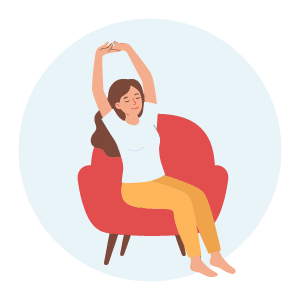
Keep moving during TV time. Try gentle stretches, hand weights or an exercise bike.
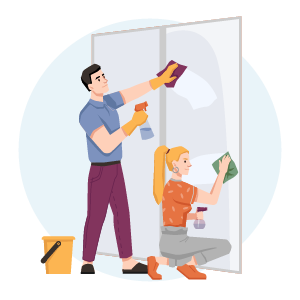
Make chores count. Housework, gardening and yard work can add physical activity to your day.

Take a walk. Walk around your neighborhood with a friend, your children or your dog.

Stand while talking. Get up when you're on the phone instead of staying seated.
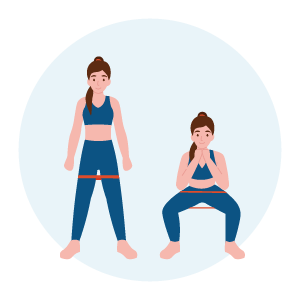
Try a home workout. Exercise videos, stretch bands, exercise mats and hand weights can help you stay active without needing expensive equipment.
At work

Move at least once an hour. Get up from your chair and walk around.

Stand during calls or video meetings. Look for opportunities to spend less time sitting.

Take the stairs. Choose the stairs instead of the elevator when you can.

Walk during breaks. Use part or all of your break or lunch to walk around.

Walk to a colleague. When possible, visit a co-worker in person instead of sending an email.

Try walking or standing meetings. When appropriate, take meetings out of the conference room and get moving.
When To Talk to a Healthcare Professional
If you have a chronic condition or disability, talk with your healthcare provider about the types and amounts of physical activity that are right for you before making significant changes to your routine.
Remember, you don't have to reach 150 minutes of activity a week right away. Start with a reachable goal, such as a five- or 10-minute walk and gradually increase your activity as you get stronger. You can break up movement into shorter sessions throughout the day. Every bit counts.
Sources:
American Heart Association
MedlinePlus
NIH National Center for Biotechnology Information